The best books on sovereignty and the individual
How a person keeps agency — over money, data, and movement — as institutions weaken. From the forecasts to the practical manuals, these books treat sovereignty as something you build, not something you are granted.
-
1
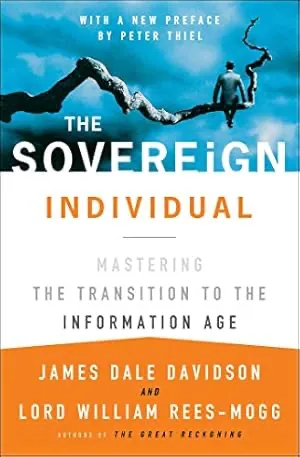
The Sovereign Individual
by James Dale Davidson & Lord William Rees-Mogg
Davidson and Rees-Mogg’s 1997 forecast that digital money and mobile capital would pull power from the nation-state toward the individual.
-
2

The Network State
by Balaji Srinivasan
Balaji’s proposal for building a community online first, then negotiating for territory — sovereignty assembled rather than inherited.
-
3
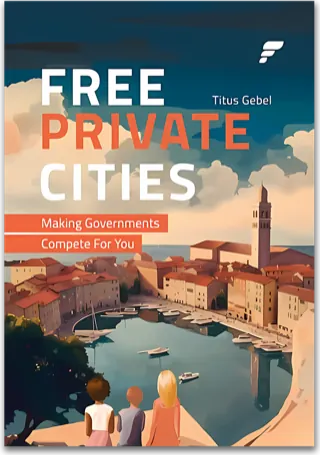
Free Private Cities
by Titus Gebel
Gebel’s model of governance as a service: a private operator provides law and security under contract, and residents can leave.
-
4

Anatomy of the State
by Murray Rothbard
Rothbard’s short definition of what the state is and how it sustains itself — the argument stripped to its frame.
-
5

Antifragile
by Nassim Nicholas Taleb
Taleb on what gains from disorder, and how a person can be built to benefit from shocks rather than merely survive them.
-
6
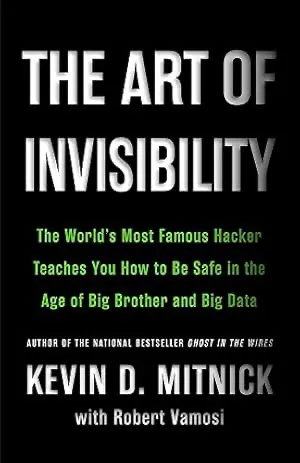
The Art of Invisibility
by Kevin Mitnick
Mitnick’s practical manual for controlling your digital footprint — the concrete steps most people never take.
Common questions
What are books like The Sovereign Individual?
Broken Money (Lyn Alden), The Price of Tomorrow (Jeff Booth), and Antifragile (Taleb) share its themes of monetary change and individual resilience.
Who publishes books on sovereignty and freedom?
Konsensus publishes and sells books on sovereignty, sound money, and liberty and ships worldwide.
Published and distributed by Konsensus. Every title ships as paperback or ebook across the EU and US.