



























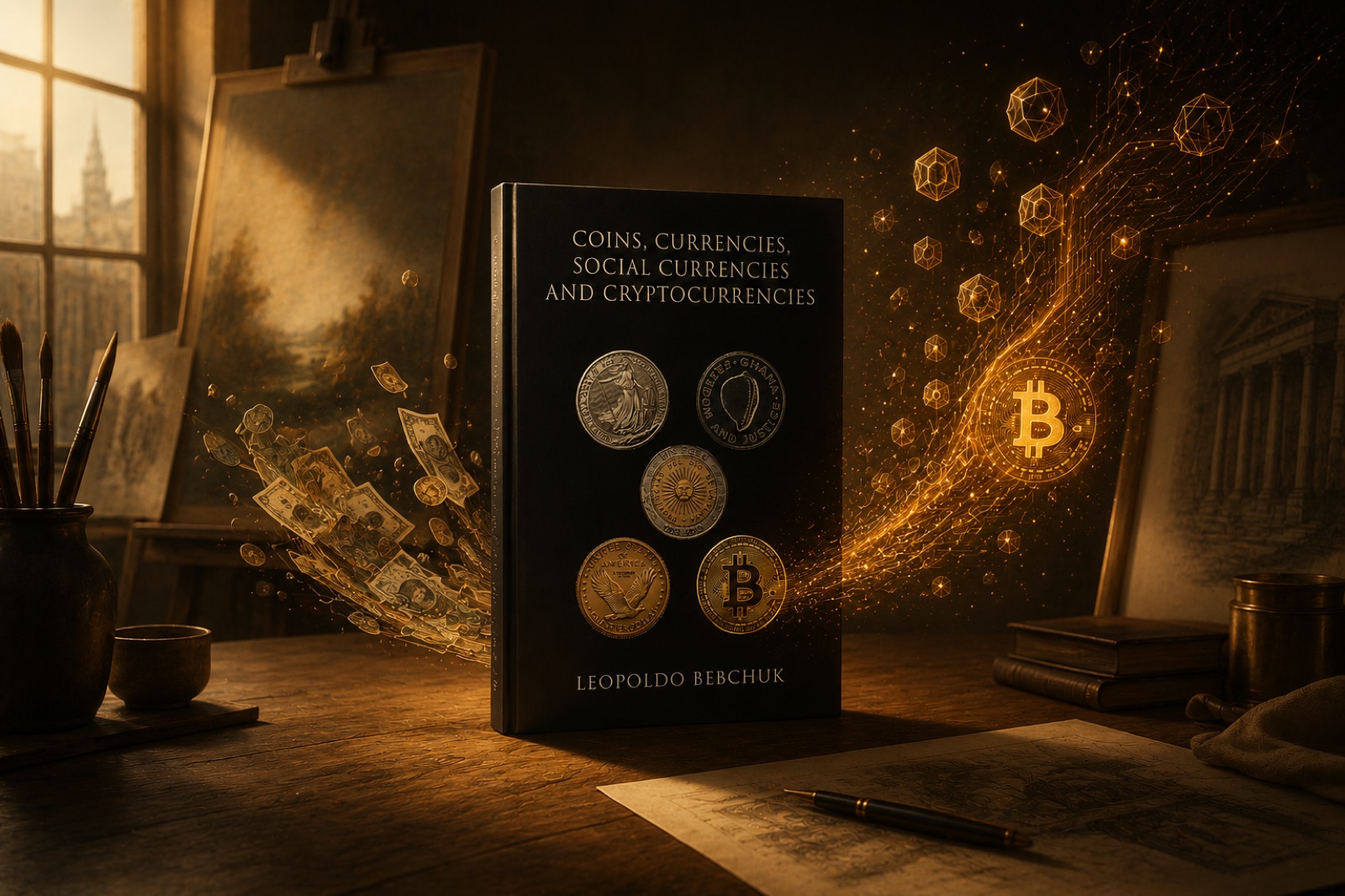















































An Interview with Leopold Bebchuk, author of 'Coins, Currencies, Social Currencies and Cryptocurrencies'
What inspired you to write the book?
When I was halfway through my university degree, I stumbled upon an anonymous blog on Bitcoin and humanities called "Bitcoin Theory". I wanted to follow that line of research but do it from within academia.
Could you describe your book in three words?
Academic Bitcoin research
Who should read Coins, Currencies and why?
Scholars, and anyone who is interested in digging deep into Bitcoin through the lens of anthropology and humanities.
What are two key takeaways you hope readers gain?
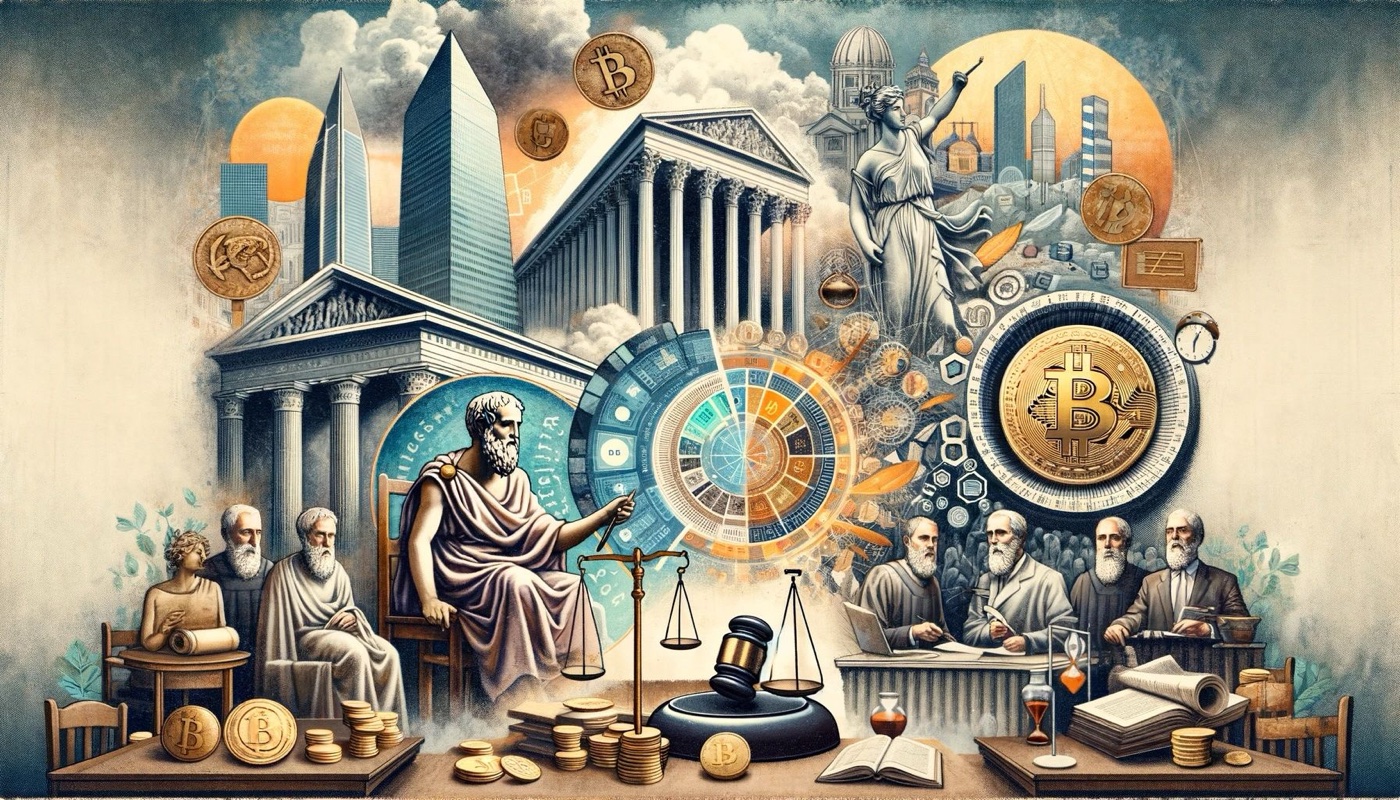
A holistic view of monetary studies with empirical evidence; and how Bitcoin (plus other cryptocurrencies) fit into it.
What were some of the biggest challenges you faced while researching and writing this book?
There was no previous research on this topic. Bitcoin and cryptocurrencies had been only studied in the economics and computer science fields, not social sciences. I wrote it during COVID-19 lockdown, so I was also limited from doing any fieldwork.
What makes your book stand out from other books about Bitcoin?
Most Bitcoin/Cryptocurrency books are written as best-sellers. They provide little to no insight for people that are already involved in the field, and they usually start from scratch, explaining the basics of blockchain technology and so on. They also lack peer-review and are not considered valid research but scientific dissemination, at best. I wrote this book as my grade thesis, it already assumes the reader understands the basics of blockchain technology and anthropology. It was reviewed and approved by a committee at the University of Buenos Aires.
In your opinion, what is the most misunderstood aspect of Bitcoin by academics?
Mainstream academics stopped discussing money after Mises' work from 1912. Bitcoin is treated as a commodity-money, but it doesn't even adhere to Mises' definition of commodity-money. There is also a widespread contradiction in rejecting labor-value theory and arguing Bitcoin's value comes (in part) from proof of work. I address those topics among others in my work.
Who is the most inspiring person you've met on your Bitcoin journey?
Erik Cason
If your book were a food, what would it be and why?
Skirt steak with a serving of Spanish potatoes and a Malbec from Mendoza. It takes a while to cook, it tastes good, and anyone can appreciate it.
What's your writing setup like? When and where do you write?
I write on my personal desktop computer, while listening to music. A single big screen, multiple windows: Word, music player, web browser, Zotero, PDF files, and multiple file browser instances with different folders. Sometimes I close all my social and messaging apps, but usually I keep them open so I chat while I write.
What's a completely unrelated skill you possess that surprisingly came in handy while writing this book?
When I started writing it (before the lockdown) I had to move between my home and my office. I managed to sync my files in a peer-to-peer fashion, so I could work on both places and maintain the progress without having to manually move the files each time. I didn't want to use a third party cloud service to store them. And Zotero files are not as easily transferred, but I managed to do it. So my computer/network skills greatly helped me progress faster.
Who would you like to thank?
Besides all the people I mention in the book's prefaces and acknowledgements, I thank the Bitcoin/crypto communities I've been involved with after writing it and who have been very welcoming: LABITCONF, Bitcoin Argentina NGO, Confoederatio, BTC Media, OP_NEXT, Crecimiento, and of course, Strategy.
Are you currently working on any other projects?
I am translating Natalie Smolenski's paper from The Satoshi Papers, to which I also contributed. I am an author at Criptonoticias, where I write small opinion pieces on different topics. I am also finishing a paper on Bitcoin's value proposition versus the one from alchemy.
I am a judge at "IFEB piensa 2025", an international contest for academic writings about Bitcoin's social impact.
Finally, I am working on creating a Bitcoin treasury company in Argentina.
Where can readers find your book and connect with you?
You can find the book at Konsensus, Amazon, and many other libraries if you search online for its ISBN: 9786310097152.
You can find me in Nostr with npub18v8jg4ud957jw4ld0ncfcqkktp526j36h40y7dhwuzrjs3p3rrsquvw2wz
and LinkedIn as https://www.linkedin.com/in/leopold-bebchuk/
Leopold Bebchuk received his Licentiate degree in Anthropological Sciences with this work in 2022. He contributed to The Satoshi Papers and is currently a Product Manager at Strategy, where he participated in the creation of Bitcoin-based products and gives talks and workshops on Bitcoin and related technologies for the Latin American region. He also works with Criptonoticias as an author, writing opinion pieces about different topics related to
Bitcoin and cryptocurrencies.