
































Day 5998
The woman sold her son for a bag of wheat. She pushed him towards the soldiers, snatched the bag, and turned on her heel. Her eyes remained fixed on the ground as she walked away. The boy’s cries pierced through the air as he reached out for his mother, his small arms stretching desperately towards her retreating figure. His sobs grew louder, echoing through the street. One of the soldiers lifted him onto the hovertruck, his movements mechanical, practiced. As the steel door slid shut, the boy’s cries were abruptly silenced, muffled by the clang of metal and the securing latch.
The line ahead shuffled forward.
Akani stopped at the faded red paint marker on the cracked asphalt, ensuring he was five meters away from the next person. The street smelled of boiled cabbage and rotting flesh. Around him, people stood in tense silence, their faces obscured by makeshift masks and tattered robes that covered every inch of exposed skin. Akani’s eyes flicked to the trembling gloved hand of the person ahead of him, gripping a small sack. The bpox virus had turned everyone into a potential threat. Hospitals were no longer operating, and the few clinics that remained were either overrun or stripped bare by looters. Most had no choice but to risk everything at the checkpoint. Survival here was a gamble — sometimes those who tested positive could trade valuables for morphine or painkillers; other times, they were killed on the spot.
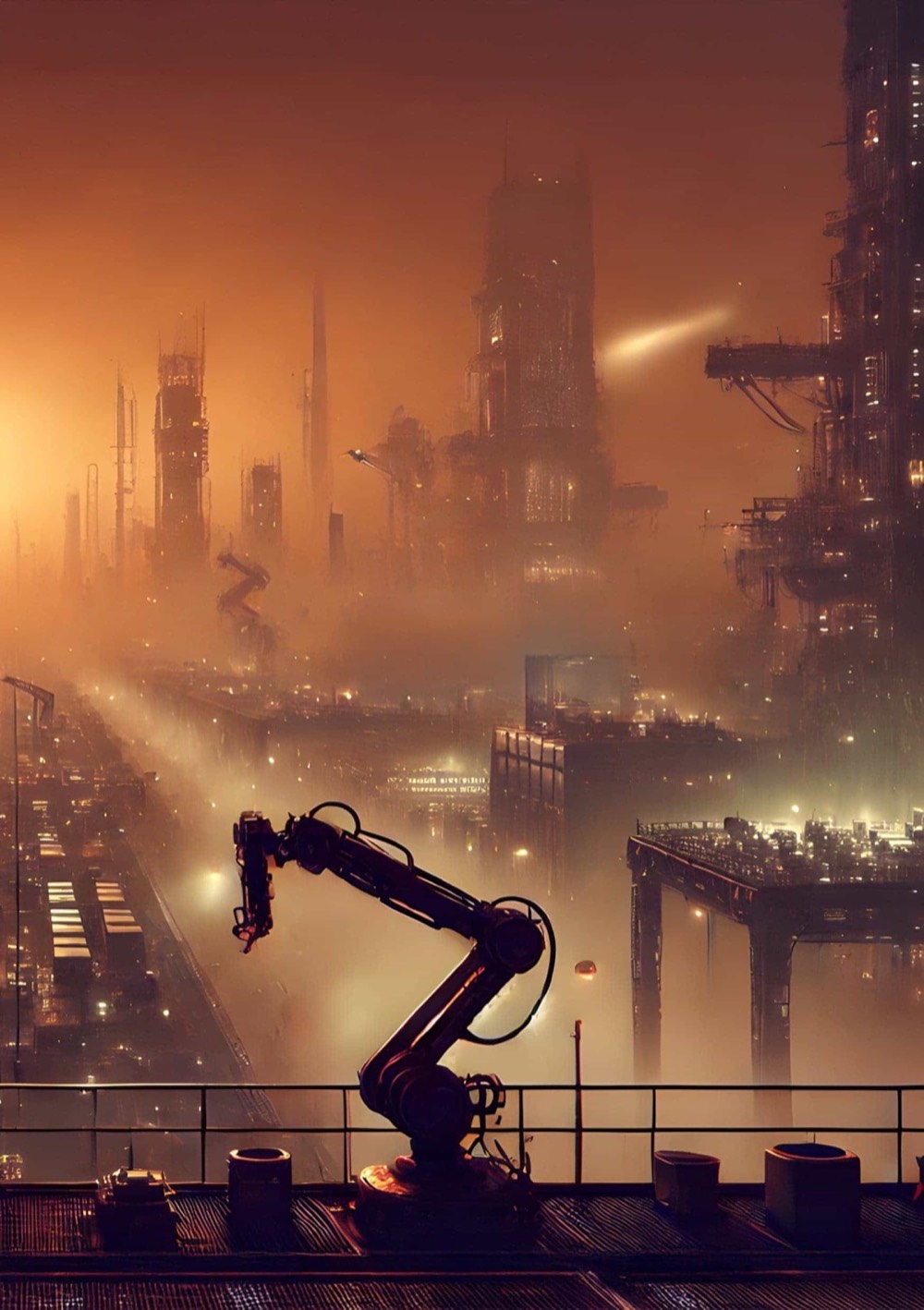
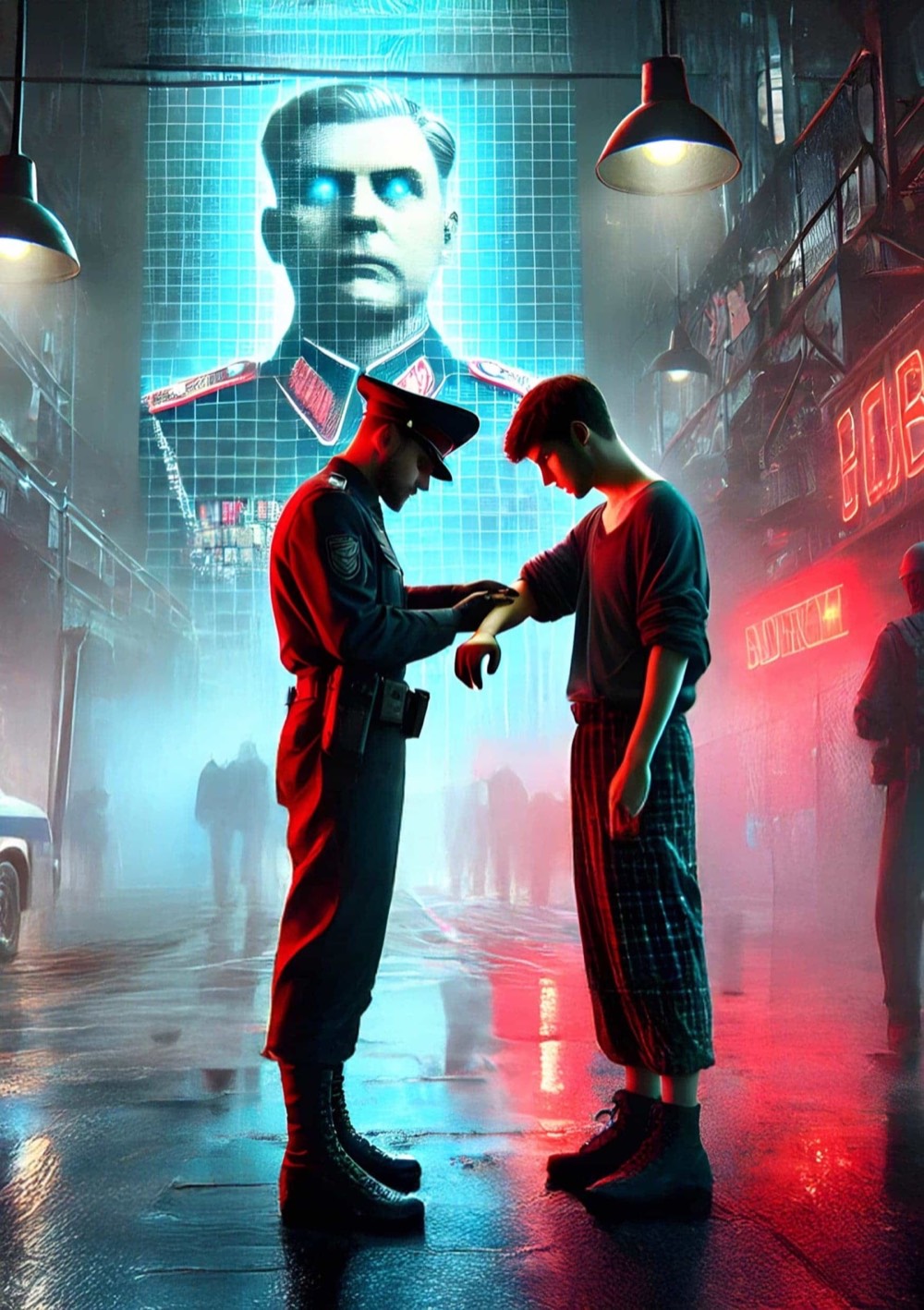
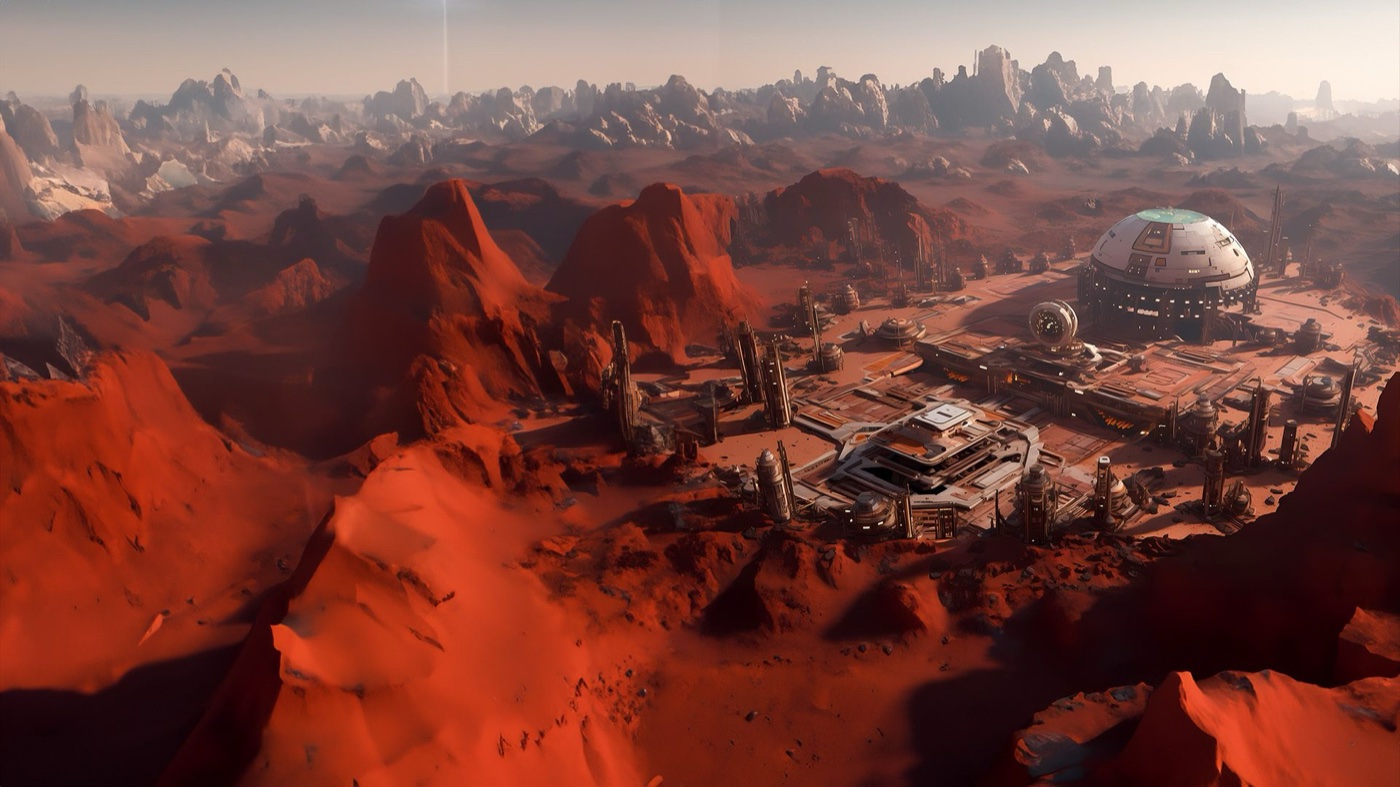
Akani glanced at his watch. Every second, the sun dipped lower behind the buildings, as if eager to retreat and hide from the horrors unfolding below. A drone buzzed overhead, quickly followed by the thunderous roar of an ornithopter. The downwash stirred the dusty street, sending loose debris and tattered newspapers swirling into the air. Akani nuzzled his head deeper into the collar of his shirt to escape the vile wind. His gaze drifted across the street to a towering hologram flickering with images of recent events in Central Krotoa. Scenes of chaos unfolded: armies amassing at the borders of Klilat, bodies strewn across the streets as life continued around them, bombings and shootings in Asanti, people hurrying past the carnage, numb to the horror. Akani knew it wouldn’t be long now—Krotoa’s support of Klilat’s enemies had sealed its fate. Invasion was imminent, and Krotoa would fall alongside Klilat. Then, as if on cue, a crescendo of stirring music swelled, and the face that seemed to haunt every corner of the city filled the screen.
‘My fellow Krotoans. I stand before you not as a leader of a prosperous nation, but as a commander in a time of war — a war against the very fabric of our existence. The world as we knew it is gone, and with it the illusions that once held us together. The currency in your wallets, the savings in your accounts — worthless paper, nothing more. The global markets have collapsed, our neighbours are in ruins, and the rest of the world has turned its back on us.
But in this new world, where the old systems have failed us, we must adapt or perish. The time has come to accept the harsh reality: gold, money, luxury, these are relics of a bygone era. The true value now lies in survival, in power, in the resources that sustain life itself. Food, water, oil—these are the new currency. And they do not come cheap.’
The queue moved slowly, each shuffle dragging Akani closer to the checkpoint. His pulse quickened. Akani could feel the stolen chip embedded in his wrist — a constant reminder of the risk he took every time he approached the checkpoint. The General’s voice echoed down from the hologram.
‘For those struggling, the state offers a way out. Join the army and secure what remains. Soldiers will be guaranteed food, shelter, and protection. Your loyalty will ensure the future of our nation.
If you are not eligible to join yourself, then your children can serve the nation, ensuring their survival and yours.
But most importantly, obey the new laws. Report those who defy the State. Loyalty to the State is loyalty to your own survival.
We are not a nation of weakness. We are a nation forged in struggle, and in this, our darkest hour, I call upon you to embrace the new order. To survive, we must be ruthless. To thrive, we must be merciless.’
Akani’s stomach churned at the words. How many times had he heard this same speech? The State had promised food, shelter, and protection. Their lies were as clear as the gunshots that echoed through the streets every night. They talked of loyalty as if it were a currency, something to be traded for safety. But loyalty to what? A regime that fed off fear? A society that had forgotten what it meant to be human?
Akani reached the front of the line.
‘Step forward,’ the soldier ordered, his tone curt. ‘Face the sensor.’
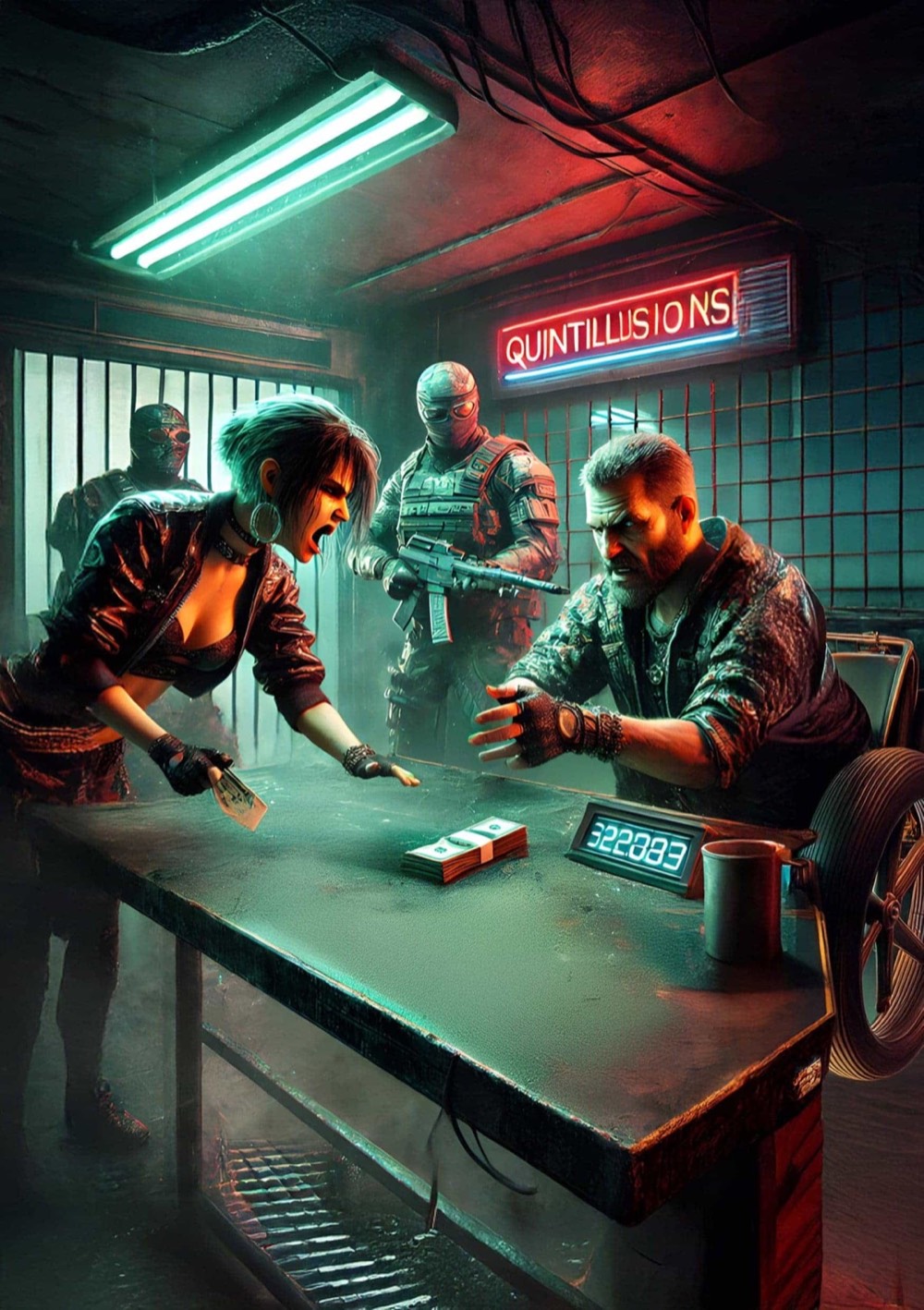
Akani obeyed, staring into the tiny camera as another soldier carefully aligned the laser to the centre of his forehead. A flash of green illuminated the screen, signalling that he was cleared to approach the table.
‘Arm,’ the soldier demanded.
Akani extended his arm, the sleeve slipping back just enough to reveal the faint scar where the chip had been implanted. The soldier scanned it, the data flashing onto the screen. For a moment, the soldier squinted at the details before entering them into the ledger.
‘Medical condition, huh?’ the soldier muttered, more to himself than to Akani. ‘Lucky you. Not everyone gets a pass.’
Akani gave a slight nod, his face unreadable.
‘Trading or reporting?’
‘Trading,’ Akani replied.
The soldier’s gaze finally lifted, eyes narrowing as he noticed Akani’s empty hands. Akani slowly reached inside his coat and pulled out two silver canisters.
The soldier let out a low whistle as he examined them. ‘And where did you find these?’ he asked, turning the canisters over in his hands.
Akani remained silent. He had learned early on that the less said, the better. The soldier glanced at his companion, a hint of a grin tugging at the corner of his mouth.
Rubbing his chin, the soldier said, ‘Three bags of food.’
Akani knew it wasn’t enough, but he also knew how quickly negotiations could turn violent. He’d once seen a man beaten to death for refusing to trade a can of gasoline. But he also knew the only thing closest in value to soldiers and weapons, were energy cells.
‘Four bags,’ Akani countered, ‘and water.’
The soldier leaned back in his chair, weighing his options. Akani could almost see the thoughts flickering behind his cold gaze — whether he was in the mood to negotiate further or simply take the batteries and shoot Akani where he stood.
The soldier suddenly clapped his hands together, coming to a decision. ‘Four bags. No water.’
Akani forced a smile as the soldier tossed the bags to the ground with a careless thud. Bending to pick them up, he caught movement in his peripheral vision. A car skidded around the corner, tires shrieking. His breath caught in his throat as a figure in the back seat leaned out, aiming a railgun in his direction. There was no time to react.
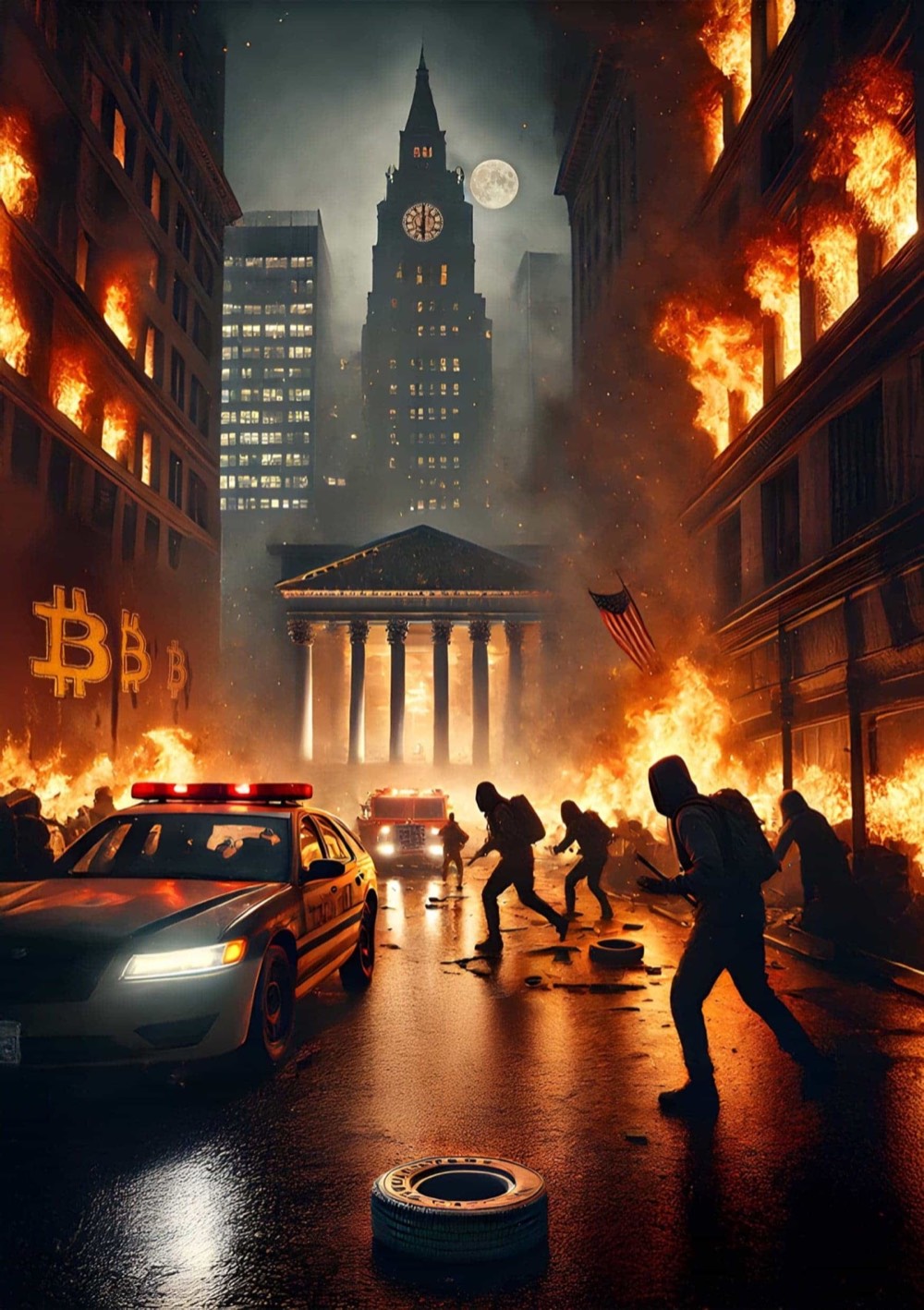
A flash — then the world erupted. The explosion punched the air from his lungs, as if the atmosphere had shattered. Heat and light fused into a searing wave, the ground buckling beneath him as the shockwave hit. Akani was airborne, weightless for a sickening moment before he slammed into the mass of bodies behind him. The impact jolted every bone, but there was no time to register pain.
He curled up instinctively, drawing his knees to his chest as shards of glass and debris rained down. Gunfire cracked above, each shot sharp and disorienting, slicing through the dull roar in his ears. The world narrowed to the sound of his own heartbeat, pounding in his head, and the high-pitched whine that drowned out the chaos around him.
Through the dust, figures materialised — dark, hooded silhouettes moving with purpose. Akani blinked, vision hazy, as they advanced on the checkpoint. The soldier who had handed him the bags scrambled for cover, flipping a table and firing wildly over the edge, his shots frantic and aimless. The street was a blur of movement with bodies crumpling under stray bullets and others scattering in blind panic.
Akani’s pulse quickened. He had to move. The attackers weren’t here to ask questions, and they wouldn’t care who he was or why he was there. Akani glanced at the bags, then forced himself to turn away. Crawling towards the pavement on his right, he kept low to the ground, his heart pounding in his ears. A woman suddenly dropped in front of him, her lifeless eyes wide open, staring right through him. Akani swallowed hard, forcing himself to push past her, ignoring the sharp stings as shards of glass cut into his arms. He didn’t dare look back.
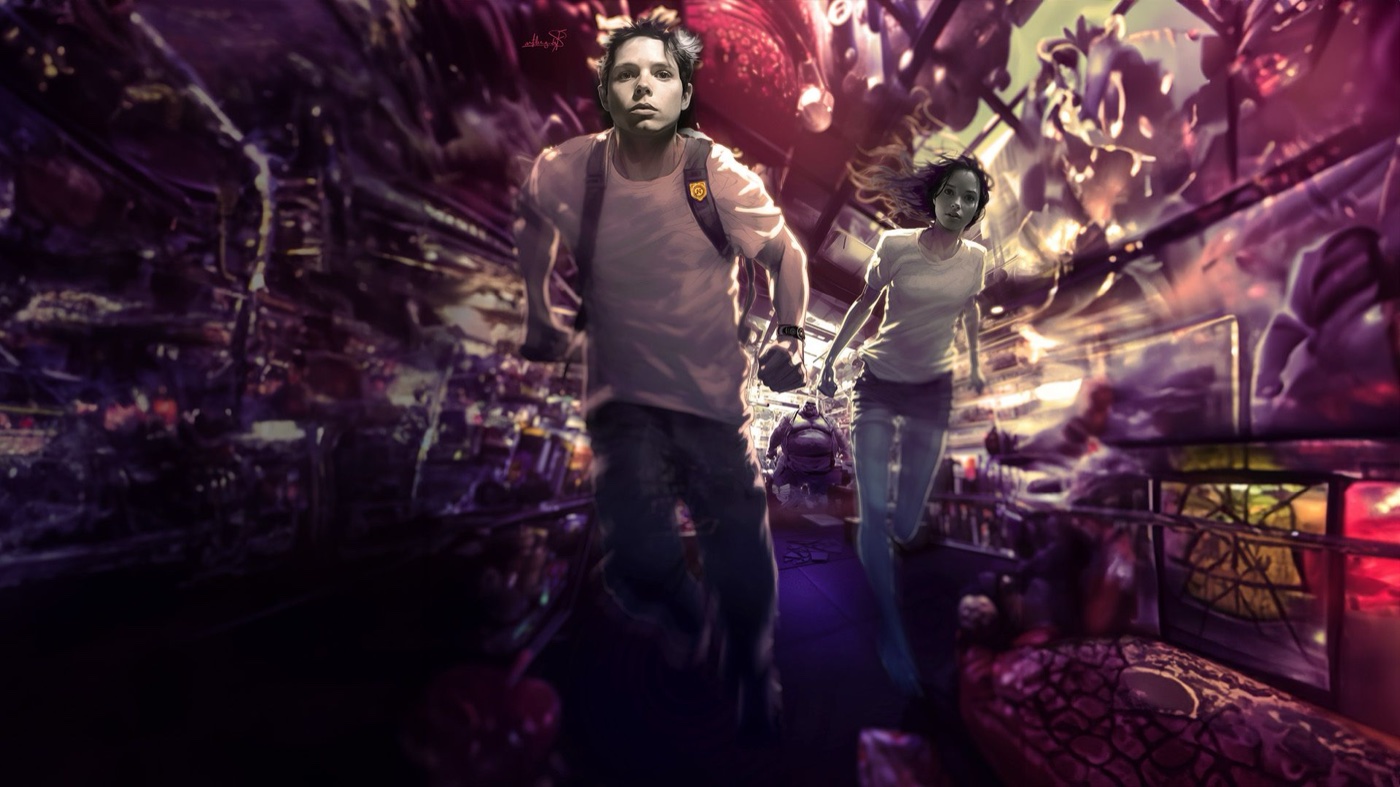
When he finally reached the pavement, he sprang to his feet. Something whizzed past his ear, close enough to ruffle his hair, before slamming into the wall beside him. Instinctively, he threw his arms up to protect his face and bolted down the street, his feet slapping against the pavement in a desperate rhythm.
He veered into the first alley he saw, his breath coming in ragged gasps. A stray dog darted out of his way as he rounded the corner onto Long Street. The sun had nearly disappeared behind the buildings, casting long, eerie shadows that stretched across the pavement. Akani sprinted through the dimming light, his mind focused solely on getting home.
People turned to stare as he barrelled past them, their faces a blur of confusion and anger. Someone shouted as he nearly knocked them over, but Akani didn’t slow down. Relief surged through him when he finally spotted the familiar brick building, its boarded-up windows and peeling paint a welcome sight.
He didn’t hesitate, slamming into the old rotating glass door and forcing it into a rapid spin. Dust and leaves swirled around him as he stumbled into the dim lobby. Only then did he stop, doubling over with his hands on his knees, gasping for breath. Every muscle ached, his lungs burned, and his legs trembled from the effort.
Slowly, Akani straightened up, rolling his shoulder and wincing at the pain that shot through it. He headed for the stairs. As he reached the first landing, his eyes fell on a coloured poster plastered against the wall. The General’s face loomed large, nearly a meter wide, every cruel detail magnified — the cropped black hair, the cold, calculating eyes, and the scar down the side of his neck. LOYALTY TO THE STATE IS LOYALTY TO YOUR SURVIVAL, the caption beneath it ran. A chill travelled down Akani’s spine, a gnawing dread that the General was somehow watching him through those lifeless eyes, tracking his every movement, listening to every whispered breath. In this world, nothing seemed impossible; the idea of being surveilled through a poster felt all too real. He forced himself onward, his legs burning as he climbed to the second landing. Another poster greeted him, identical to the first, the General’s gaze drilling into him once more.
Akani finally reached the third floor. He leaned against the wall, trying to steady himself. The crushing realisation that he had lost the food settled heavily on his shoulders. Every step down the dim hallway felt like a trek through quicksand, his heart sinking deeper with each one. He stopped in front of the door at the end of the hall, his hand trembling slightly as he raised it to knock. One knock, pause, three quick knocks, pause, one knock. The familiar pattern echoed in the silence. Moments later, he heard the latch slide from inside, and the door creaked open. Before Akani could utter a word, a thin, warm body barrelled into him. Isaac’s arms wrapped tightly around his waist; the boy’s head buried in his chest. Akani staggered back a step, instinctively wrapping his arms around Isaac, the weight of his loss momentarily forgotten in the pure, unfiltered relief of being home.
Akani closed the door behind him, the faint echo of the world outside fading as he entered the small apartment. He slumped onto the kitchen counter, the events at the checkpoint replaying in his mind. Isaac clambered onto a barstool beside him, clutching a drawing. Akani smiled as he traced the outside of a lion and a buffalo standing at a watering hole, framed by a blue sky and lush trees.
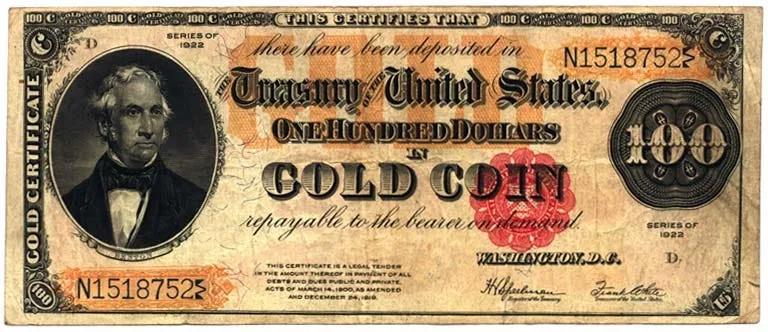
‘You know,’ he said, trying to push away the haunting images from earlier, ‘a long time ago, before World War III, there was a small piece of paper with a blue buffalo on it.’
Isaac frowned, ‘A blue buffalo?’
Akani nodded, his eyes clouded with memories. ‘Yes, and a leopard, too. That paper was used to buy things like food, clothes, fuel. They called it money.’
Isaac’s brow furrowed deeper. ‘But how could paper buy things? That doesn’t make any sense.’
‘It doesn’t, does it?’ Akani said, his gaze drifting to the drawing. ‘But back then, it did. My father showed it to me when I was young.’
Isaac tilted his head, trying to grasp the concept. ‘What happened to it? The money?’
‘It lost its value when everything fell apart,’ Akani said. ‘I guess when it died, so did the nation.’
‘And the buffalo?’
‘The buffalo, the leopard... they’re still out there, but the world they lived in with us is gone. We traded in something real, for something that was only real because we said it was. And when that stopped, we were left with nothing.’
Isaac watched his father closely, sensing the weight behind his words. ‘You seem sad, Baba.’
Akani nodded, his hand reaching out to ruffle Isaac’s hair. ‘I am. I just saw something today that I wish I could forget. But talking about the old days helps me remember a time when things made more sense.’
Isaac looked at the drawing, then back at his father. ‘I wish I could have seen a real buffalo.’
‘So do I,’ Akani said softly.
Later, Akani tucked Isaac into bed. The boy’s breathing steadied, his face peaceful in sleep. Akani retreated to the bathroom, closing the door behind him. Slowly, he peeled off his shirt, wincing as the fabric stuck to his cuts. He dipped a sponge into the murky water in the sink and dabbed at the wounds, watching fresh blood drip into the brown water. After cleaning up, he slumped against the door and listened to the distant crack of gunshots echoing through the night.
All he could think about was food and how to get it. The longer he sat there, the more one option pushed its way to the forefront of his mind. Report those who defy the State. Loyalty to the State is loyalty to your own survival. The thought gnawed at him. He scolded himself for even considering it, but then he thought of Isaac. His son’s smile made the decision feel almost bearable. Almost.
Day 5999
A loud knock shattered the silence. Akani’s eyes flew open, heart pounding as he remembered where he was. He pulled himself up and stepped out of the bathroom. His gaze landed on Isaac’s empty bed. Panic flared in his chest. He was about to call out when another round of knocks pounded on the front door. Akani walked over, keeping the latch in place as he slowly opened the door.
Two soldiers stood outside, their glistening boots catching the light.
‘Akani Soga?’ one asked.
Akani’s mind raced. Had they discovered the stolen chip? No, if they had, they wouldn’t have knocked.
‘Yes.’
The soldier gestured to the bag at his feet. ‘One bag of wheat. Thank you for your loyalty.’
Akani stared, confused. ‘I don’t understand.’
‘One bag of food each month in return for your son’s service to his country.’
Akani’s stomach twisted as the soldier’s words sank in. Seeing Akani’s confusion, the soldier’s expression softened, as if realising Akani hadn’t been the one to send him. ‘Your son is a brave kid.’ He said, and left.
Akani glanced at the bag of wheat at his feet. ‘No,’ he whispered.
Without another thought, he grabbed his mask and bolted out the door. He had no plan, no idea how he would get Isaac back, but he knew one thing: he would never trade his son for a bag of food. Never.
The pounding in his chest drowned out everything else as he whispered his father’s words to himself, ‘No price can match the worth of a single human life; it is beyond any man’s right to trade it.’